Is it possible to discover one of the world's most modern cities and one of Japan's most peaceful regions in a single journey? From Shanghai to Okinawa, across a different side of Asia.
The answer is a resounding yes. One journey where the scenery changes from the neon lights of towering skyscrapers, to palm trees, coral reefs, and the endless blue of the sea in only a few days. It's a voyage that connects not only two destinations, but two completely different worlds. At first glance, Shanghai and Okinawa have almost nothing in common, and perhaps that's exactly what makes them the perfect combination for travelers who want to experience Asia's incredible diversity without trying to cram too much into a single trip.
From One Wonder to the Next
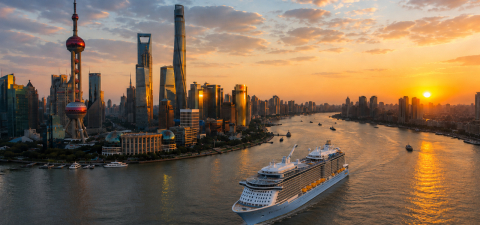
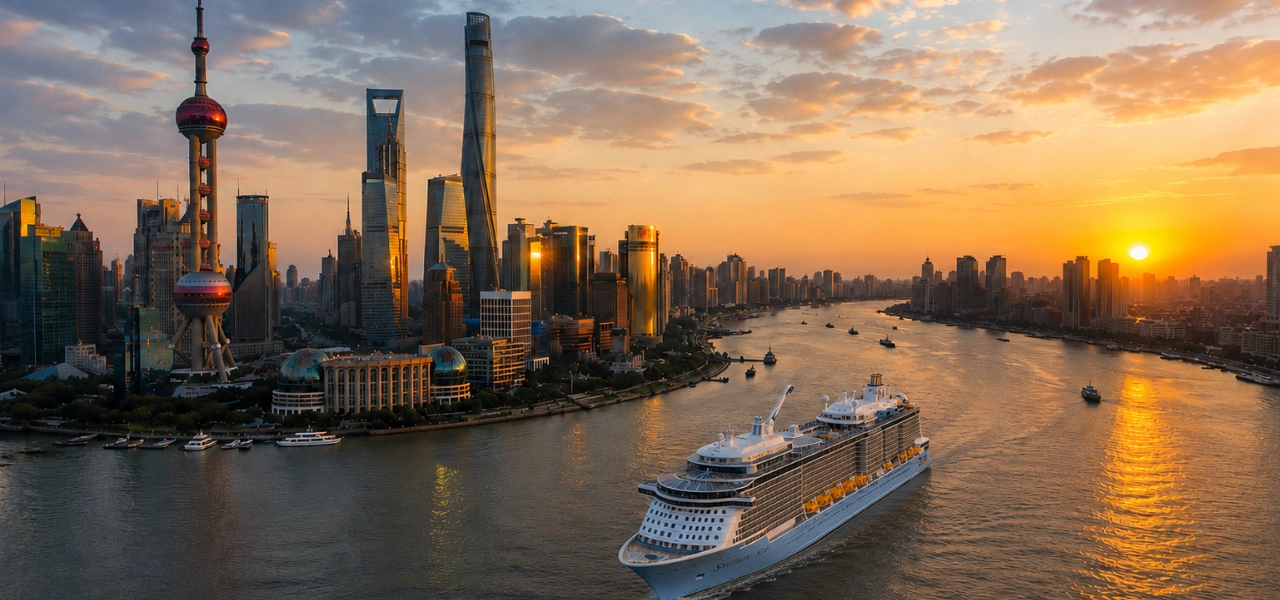
The city of 25 million is unlike anything we've seen before. A civilization thousands of years old exists in the shadow of the world's most advanced glass-and-steel skyscrapers, rising hundreds of meters into the sky. With its astonishing technological edge, Shanghai stands apart from every other major city in the region. It is in a league of its own, a metropolis of the future that already exists today.
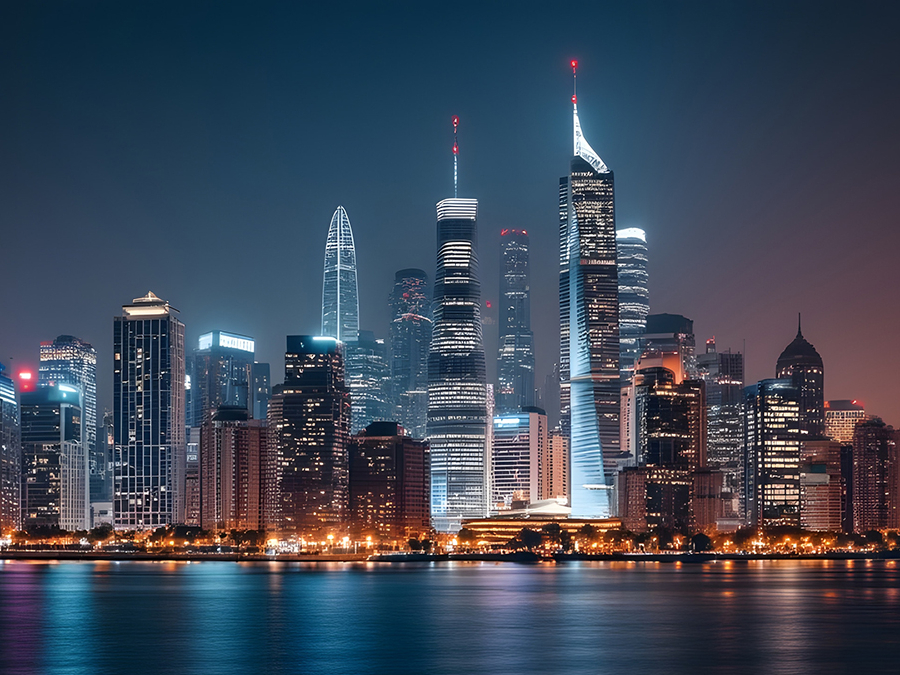
Standing on the banks of the Huangpu River, it's hard to decide which direction to explore first. Behind the grand turn-of-the-century buildings of the Bund, the memory of the old trading city still lingers. Across the river, the skyscrapers of Pudong soar toward the sky. By nightfall, the city's lights seem to shimmer, dancing across the surface of the water.
Yet only a few streets away from the futuristic metro stations, traditional wooden teahouses invite you inside. The fragrance of jasmine tea mingles with the aroma of freshly steamed xiaolongbao, a traditional Chinese soup dumpling dish. In a nearby park, an elderly man paints calligraphy on the stone pavement with water, while just a few steps away, young people are filming the very same square with a drone.
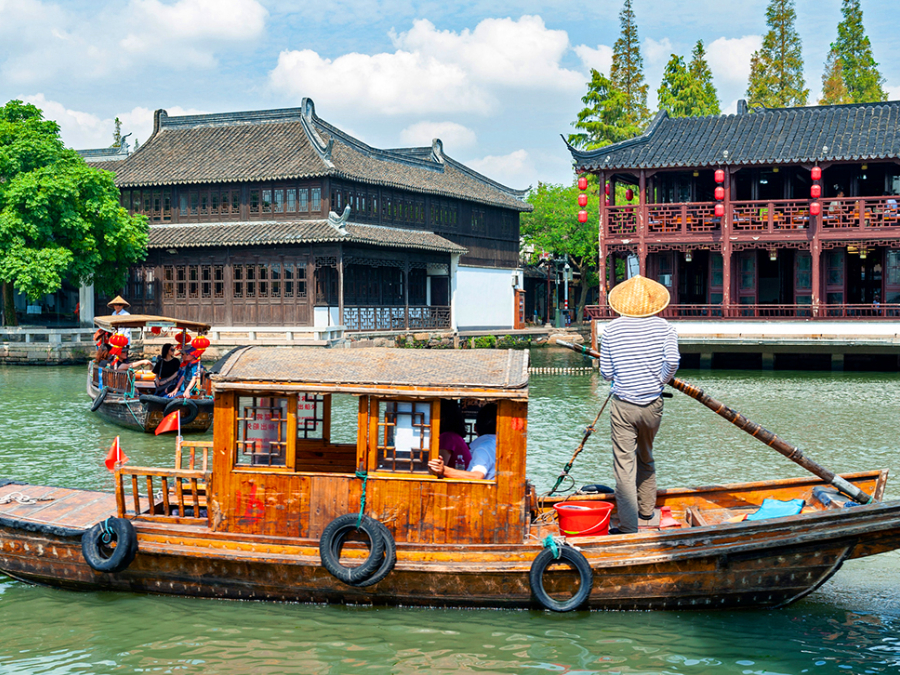
It's easy to lose track of time while wandering the streets of Shanghai, taking in the meeting of modern and traditional China. You can sit for a while on the steps along the Bund, stroll through the lanes of the Old Town, or continue all the way to the narrow canals of Qibao, where stone bridges, red lanterns, and centuries-old houses reveal the historical roots of this vast metropolis.
The Endless Horizon of the East China Sea awaits
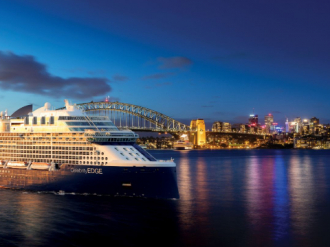
As the Spectrum of the Seas gracefully departs Baoshan Port, Shanghai's skyscrapers gradually shrink into the distance before disappearing completely into the haze. It is at that moment that you truly understand how different a cruise is from any land-based journey. At sea, there is no rush. No dragging suitcases over cobblestone streets, no checking in and out of hotels, no early-morning bus departures. The floating hotel carries both you and your luggage across the open sea toward your next destination.
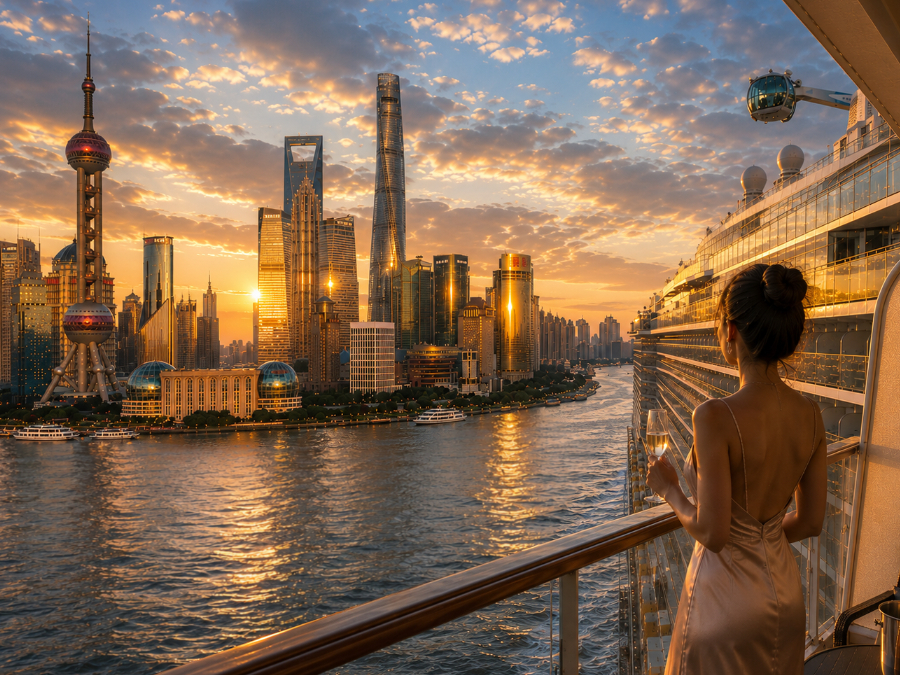
Morning sunlight slowly creeps across the cabin balcony. The coffee is still steaming when all that surrounds us, in every direction, is the endless blue of the sea. By lunchtime, we're already far out on the East China Sea. On board, you hardly notice the distance you've traveled.
Many travelers spend months wondering where to begin exploring a continent as vast as Asia. With its vibrant megacities or its quieter, nature-filled regions? In China or in Japan? This journey offers a different answer: not one or the other, but both. It begins in one of China's most fascinating metropolises, where cutting-edge technology and centuries-old traditions exist side by side. Then the very same voyage takes you to a part of Japan that even many seasoned visitors have yet to experience. Okinawa is a unique island world, known for its subtropical coastline and its traditions that have endured for generations.
Two completely different cultures. Two distinct ways of life. Yet both can be experienced along a single, comfortable itinerary. And all the while, you only unpack once. The ship remains your hotel throughout the journey, eliminating the constant packing, moving, and long overland transfers. Instead of an exhausting tour, your first experience of Asia becomes a relaxed voyage of discovery. New landscapes, new flavors, and new impressions, with the comfort of the ship providing a familiar and reassuring base from which to experience this remarkably diverse part of the world. Few itineraries introduce Asia with such elegance. It doesn't try to show you everything at once—it shows you just enough that, on the flight home, you'll already be planning your next journey to Asia.
Where Time Moves Differently
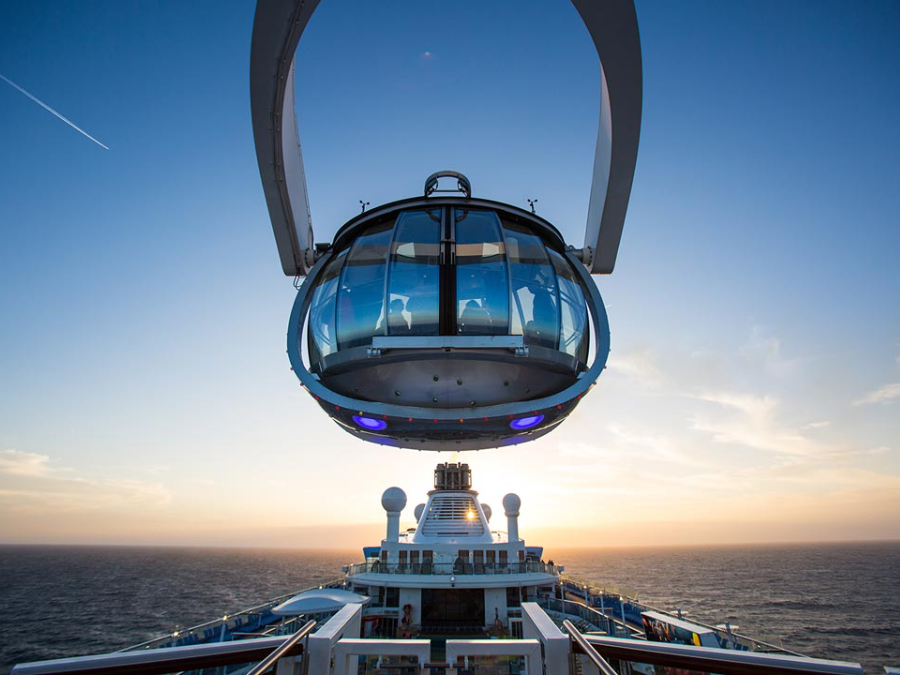
From the comfort of the ship, you can spend hours watching the waves with a book in your hands. Enjoy the tranquility of the spa. Stroll along the promenade, where there's always something happening. A family is trying out the 40-foot signature onboard rock climbing, dance music drifts across the pool deck, while elsewhere, a live jazz band is performing. Above it all, the glass capsule of the North Star observation pod slowly rises high above the ship, offering a panoramic view from nearly 90 meters above the sea.
One of the ship's best-known attractions is the Bionic Bar, where robotic arms mix cocktails, while just a few meters away, elegant lounges and specialty restaurants offer an entirely different atmosphere. A few decks above, you can experience the iFLY skydiving simulator, floating inside its glass wind tunnel. In the vast indoor SeaPlex, bumper cars, roller skating, and sports courts await those looking for a more active way to unwind. The Spectrum of the Seas is a world of its own, both futuristic and surprisingly human in scale. It has everything you could ask for, yet in the end, it isn't the attractions that stay with you most. It's the rare luxury of not having to rush anywhere, because everything you need is already there. The days spent at sea don't feel like "empty" days between destinations. They become some of the most relaxing and memorable moments of the entire journey.
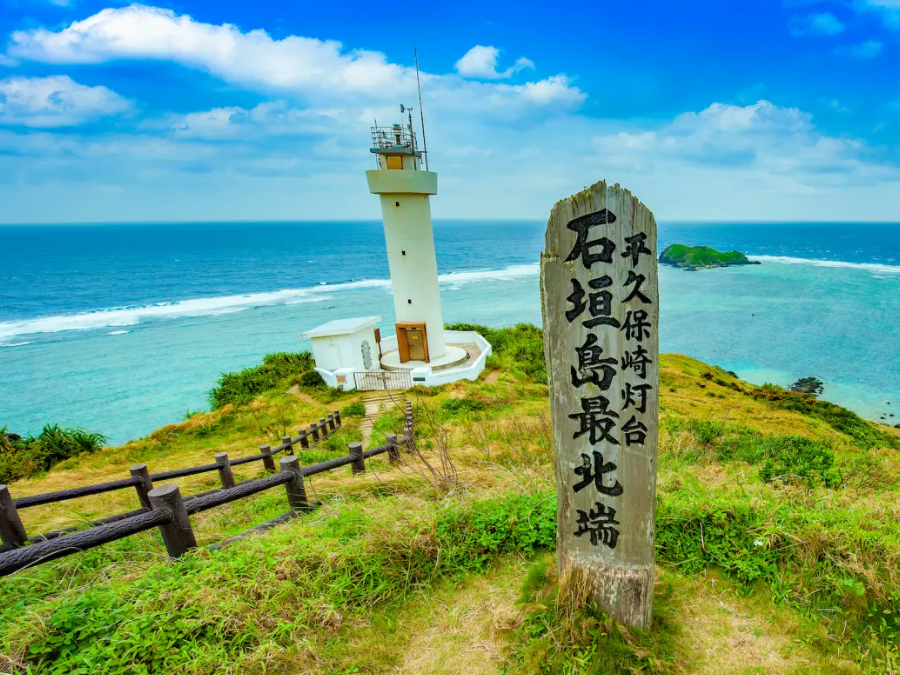
On the third morning, the color of the sea begins to change. The deep blue gradually turns turquoise, and green islands emerge on the horizon as we arrive in Okinawa. If Shanghai is the city of tomorrow, Okinawa feels as though it belongs to another century. Here, no one is trying to build skyscrapers. No one is in a hurry.
The air is saltier, the light is softer, and the shadows of the palm trees stretch across the shore. This part of Japan has always been a world of its own. For centuries, the former Ryukyu Kingdom developed its own distinct culture, and its legacy can still be felt in every detail today. Shuri Castle, with its red walls, is more than a historic landmark. It stands as a reminder of a time when Okinawa served as a bridge between China and Japan. Its gardens, stone gates, and traditional rooftops all tell that story.
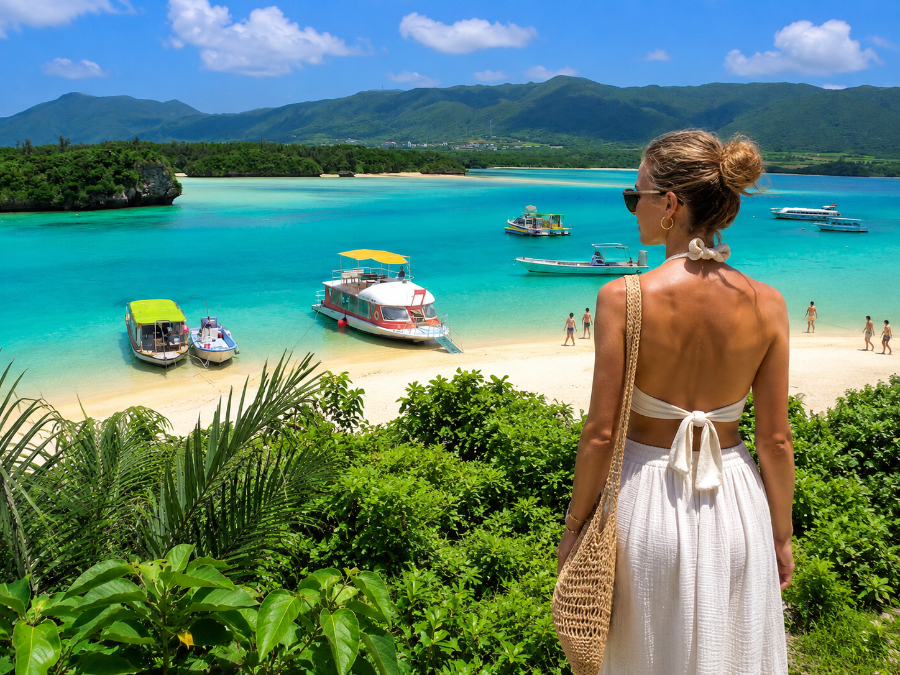
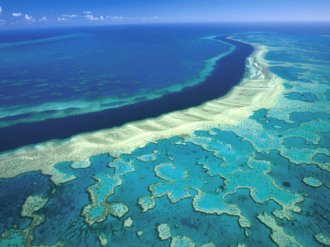
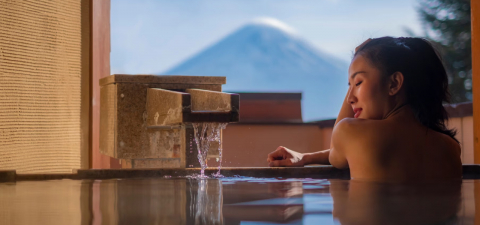
Most people fall in love with Okinawa because of the sea. Not just for its postcard-perfect turquoise waters, but for the quiet that surrounds its coastline. Even the waves seem to sound different here. Walking along the soft sands of Okuma Beach, it's hard to believe that only a few days earlier we were standing beneath the towering skyscrapers of one of the world's largest cities. The water is crystal clear, colorful fish dart through the coral reefs, and in the seaside cafés, no one seems to be watching the clock.
Okinawa is often described as one of the world's Blue Zones, places where an unusually high number of people live well beyond the age of one hundred. Many explanations have been offered – diet, community, genetics – but as we sit by the shore, watching the sun slowly sink below the horizon of the Pacific Ocean, it's hard not to think that perhaps they have simply discovered the secret to a good life.
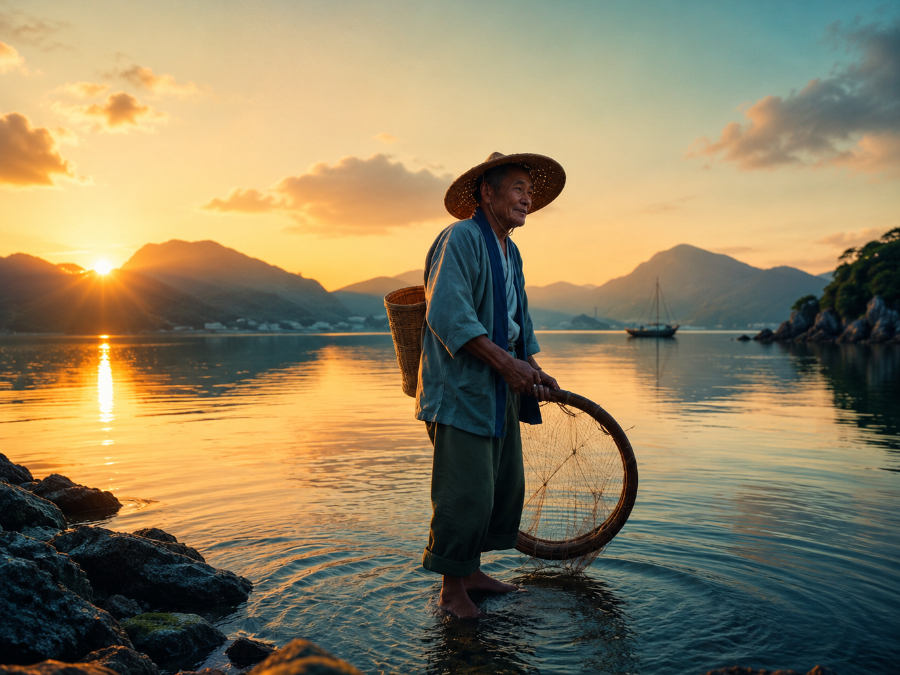
The ship sets sail once again, and something unexpected happens. The sound of the waves becomes familiar. So does the salty breeze drifting in from the sea. Everything begins to feel strangely like home. The waiter already knows how you take your morning coffee. Friendly faces greet you in the corridors. You have your favorite spot on the upper deck, where the sunsets are always at their most beautiful.
Perhaps this is the true secret of cruising. It isn't simply about how many ports you visit or how far you travel. It's that the time spent between two shores gradually changes you as well. When Shanghai's skyline comes back into view on the final day, you see it differently. You are no longer the same person who departed just a few days earlier. The city still pulses with energy. It still shines. It still rushes forward. But you now carry with you the calm of Okinawa and the quiet rhythm of the days spent at sea.
Few journeys reveal the diversity of a single continent with such ease. One day you're enjoying a coffee in one of the world's most advanced metropolises; two days later, you're walking barefoot along the sandy shores of a Japanese island. It's a journey that brings very different worlds together in just a few days, and perhaps that is exactly why a cruise is such an ideal introduction to Asia for first-time visitors.