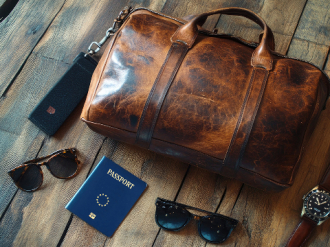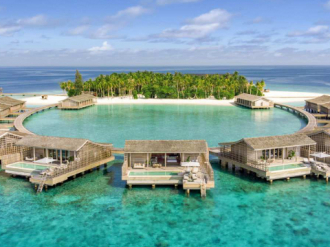
For a long time, passports were merely a mandatory document for travel; however, in today’s day and age, it has become one of the most important symbols of global mobility.
The latest ranking of the Henley Passport Index has once again proven that it matters which country’s coat of arms appears on the cover of our passport. According to the 2025 list, Singapore remains in the lead with its citizens able to travel to a total of 195 countries either visa-free or with a permit obtainable on arrival. This number practically covers the entire world map and clearly demonstrates how stable and extensive the city-state’s diplomatic and economic network is.
The ranking is not merely a travel statistic; it is an accurate reflection of how the world’s geopolitical map is evolving and which countries provide genuine freedom to their citizens. A strong passport today represents a lifestyle – the ability to decide, almost at any time and without lengthy preparations, in favor of a spontaneous trip, an extended stay abroad, or even an entirely new way of life.
EU Passports: Strength and Stability at the Top of the Rankings
The latest ranking brings particularly positive news for European travelers. Passports issued by EU member states consistently rank among the strongest in the world, even at the lower end of the spectrum. Depending on the specific EU country, citizens can typically travel to between 180 and 195 countries worldwide either visa-free or through simplified entry procedures. Due the European Union’s deeply interconnected diplomatic and economic framework, EU passports grant their holders an exceptional level of global mobility, allowing them to travel across most of the world with minimal restrictions and a high degree of personal freedom.
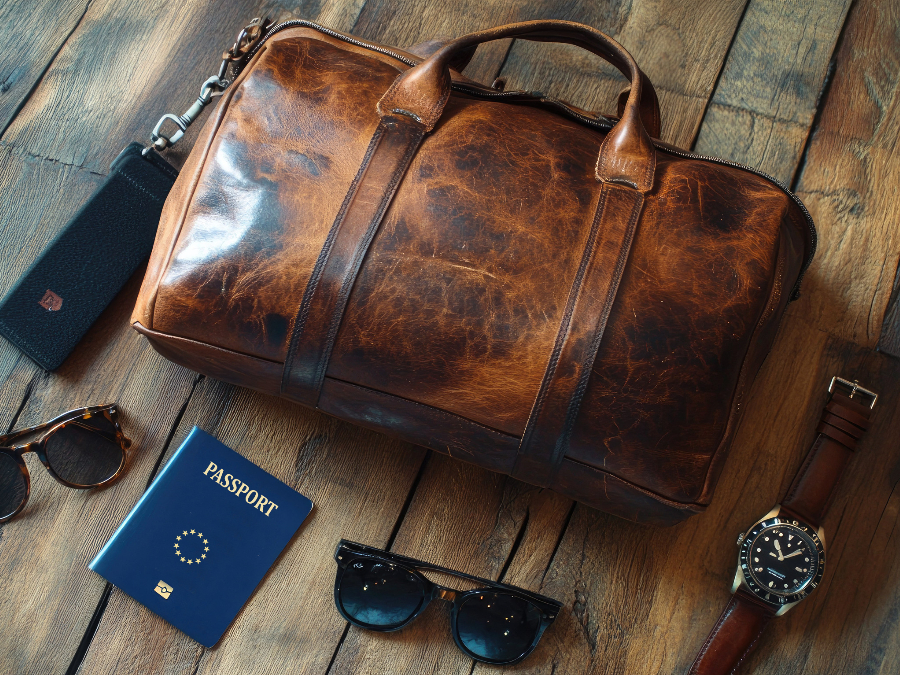
Aside from the interwoven politics, the list of destinations also depend on international relations built up over many years. In practice, this means that for EU passport holders much of the world is effectively open: a last-minute city break in Paris, a long weekend in Tokyo, or even a month in Bali is no longer an administrative challenge, but simply a matter of decision.
The lower end of the ranking, however, is a sober warning. Citizens of the countries at the bottom of the list – such as Afghanistan, Syria, or Iraq – can travel freely to only a few dozen destinations. The gap between the strongest and weakest passports has never been so striking, and this is not only a matter of travel but also of quality of life.
Travel, luxury, and flexibility – what do these mean in everyday life?
A strong passport offers a tangible advantage: the feeling of freedom. There’s no need to book appointments at embassies weeks in advance, no need to prepare for visa interviews with uncertain outcomes, and no need to pass up a last-minute travel opportunity. This kind of mobility is especially valuable in recent years, as for many, travel has become not just a form of recreation but a lifestyle
In the world of luxury travel, visa-free access is now a basic expectation: premium services, exclusive destinations, and flexible schedules only work fully when lengthy visa procedures don’t stand in the way. The same applies to digital nomads and those moving abroad for extended periods to work or study – for them, the power of a passport translates into concrete opportunities
The 2025 passport ranking sends a clear message: freedom is now measurable. Not just in terms of money or lifestyle, but also in how easily we can cross borders. EU passports, in this regard, provide a stable and reliable ‘entry ticket,’ granting their holders significant mobility on a global scale. And while the ranking changes every year, one thing seems certain: the freedom to travel remains one of the greatest luxuries a country can offer its citizens.
Here is the top ten list of the world’s strongest passports in 2025: