Is Europe’s golden age of seamless air travel quietly slipping into turbulence?
There is a particular kind of promise embedded in modern air travel, the quiet assurance that the world, no matter how vast, remains within reach. A long weekend in Lisbon, a spontaneous escape to the Greek islands, a carefully curated summer in Tuscany. For years, Europe’s skies have delivered on that promise with effortless precision.
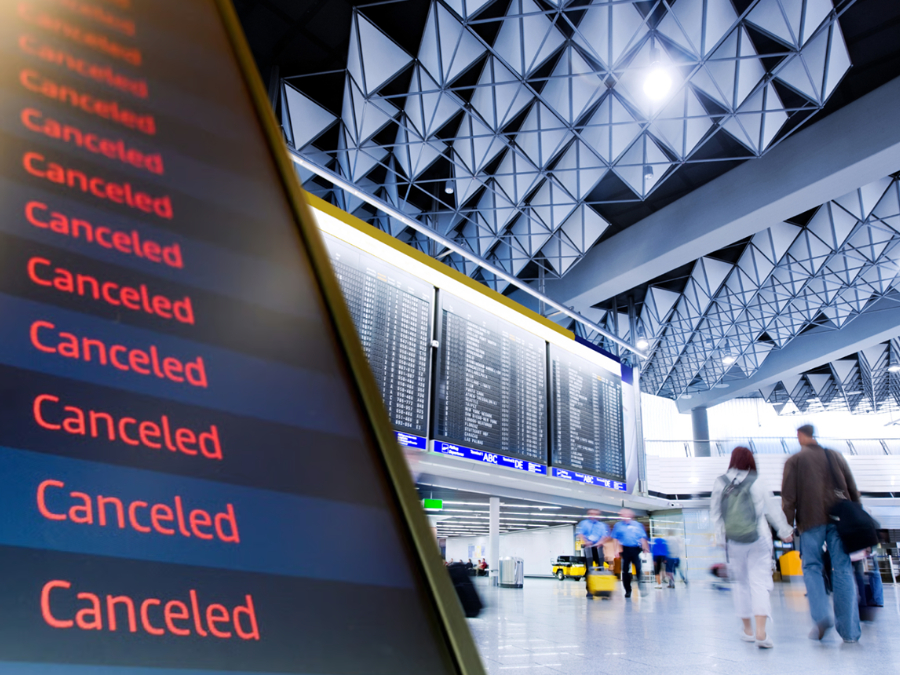
This seems to be changing. Across the continent, the signs are unmistakable: routes disappearing from booking systems, flight frequencies trimmed back, ticket prices inching upward with unnerving consistency. Something structural happening. Something that hints at a deeper crises within the aviation ecosystem.
A system under pressure
Beneath this shift lies a far more intricate story – one that is unfolding across Europe’s aviation networks in real time. The catalyst is not a single disruption, but a convergence. The ongoing geopolitical tensions in the Middle East – particularly the instability surrounding the Strait of Hormuz – have placed extraordinary pressure on global jet fuel supply, a corridor through which a significant share of the world’s aviation fuel flows.
The result? Fewer flights, tighter schedules, and a cautious approach to expansion just as demand begins to rebound. For travelers, the impact is immediate. Fewer direct routes mean more connections, longer travel times, and a gradual erosion of the spontaneity that once defined European mobility. For the industry, however, the implications run deeper: this is not merely a seasonal adjustment, but a recalibration of how – and how often – we fly. Less spontaneity, more foresight. The era of last-minute bookings at reasonable prices is fading, replaced by a landscape where timing and flexibility are paramount.
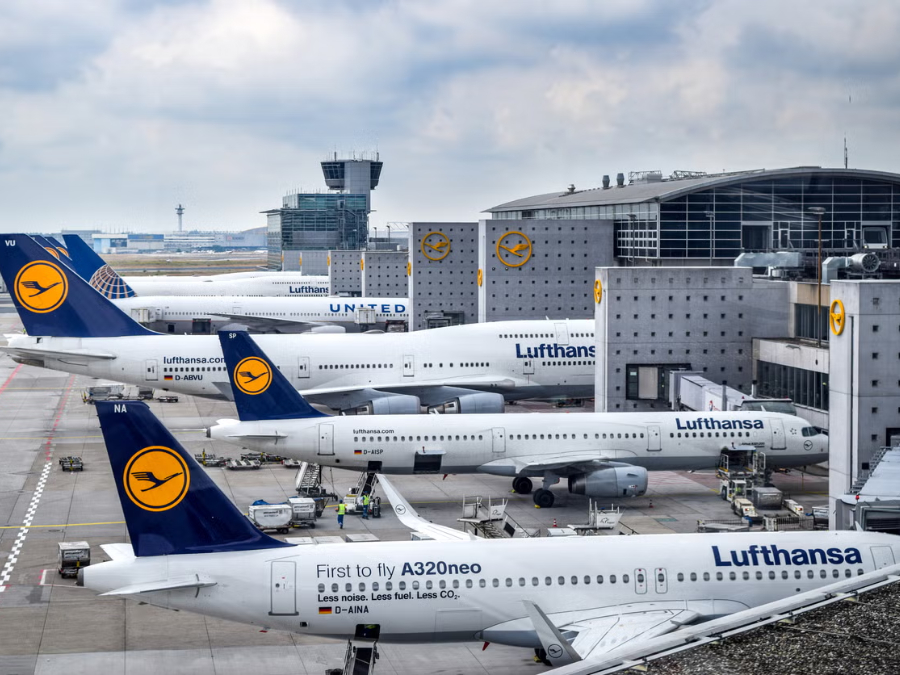
At the center of this shift stands Lufthansa – long considered a bellwether of European aviation – and its recent decisions speak volumes. In response to surging fuel costs and mounting supply uncertainty, the airline has cut no fewer than 20,000 short-haul flights from its schedule through the summer and into autumn, with reductions concentrated around its Frankfurt and Munich hubs.
And it is not alone. KLM has withdrawn approximately 160 intra-European flights from its schedule. SAS has cut around 1,000 departures in a single month. Lufthansa, in a move both symbolic and strategic, has grounded 27 short-haul aircraft while accelerating the retirement of long-haul jets. Even long-established transatlantic routes are not immune – Norse Atlantic has quietly suspended its London Gatwick to Los Angeles service.
These are not isolated decisions, but part of a broader pattern: airlines trimming less profitable routes, consolidating frequencies, and redirecting capacity toward markets that promise stronger returns. In parallel, some carriers have begun adding fuel surcharges – €50 on long-haul tickets in certain cases – while others subtly reduce frequency rather than announce outright cancellations.
Across Europe, capacity is contracting. In May alone, airlines have collectively removed around 13,000 flights and two million seats from the market, a figure that, while modest in percentage terms, signals a decisive shift in direction. Industry bodies have already warned that if supply constraints deepen, broader cancellations could follow within weeks.
Demand moves to rolling travel
As the skies grow a little less crowded, travel itself begins to feel more deliberate. Traveling regains its weight, its sense of occasion. A trip is no longer just a gap in the calendar to be filled, but an experience to be shaped. One lingers longer, chooses more carefully, and perhaps travels less often but with greater intention, prioritizing the experience more.
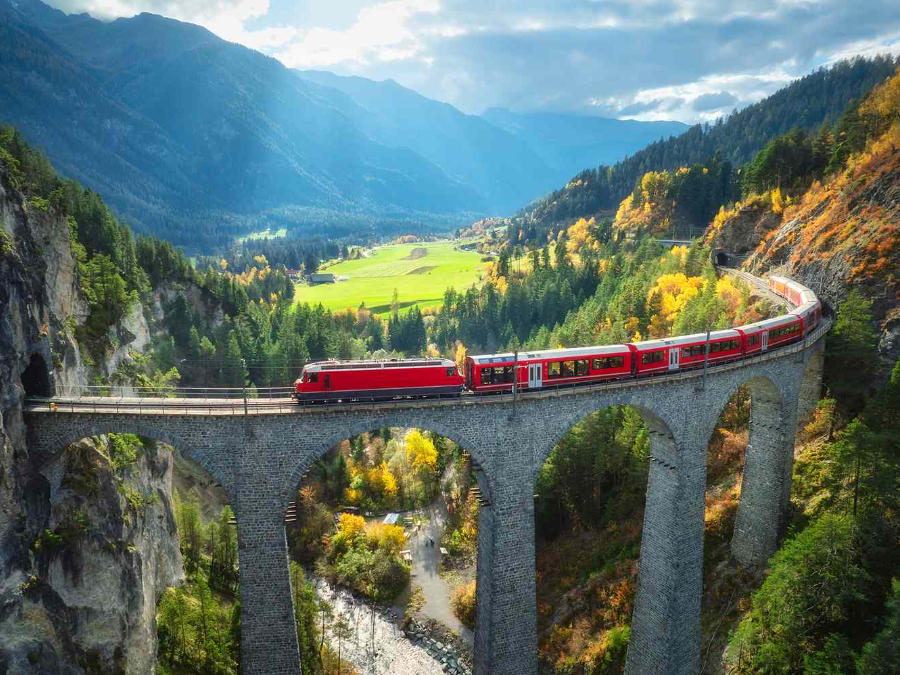
In this evolving rhythm, alternatives step gracefully into the spotlight. Rail journeys reclaim their quiet glamour; the slow unfolding of landscapes through a train window offers a different kind of luxury – one measured not in speed, but in texture and time. Destinations once dismissed as inconvenient begin to reveal their charm precisely because they require a little more effort to reach.
Air travel, of course, is not retreating – it is refining itself. What lies ahead is not absence, but selectivity: fewer flights, fuller cabins, and a renewed focus on routes that truly matter. The skies are still open, still expansive, but no longer quite as casual.