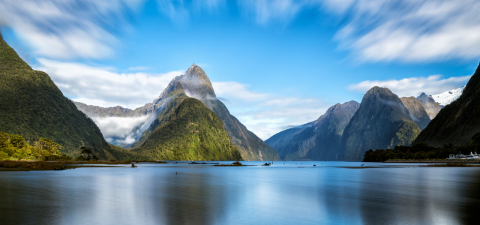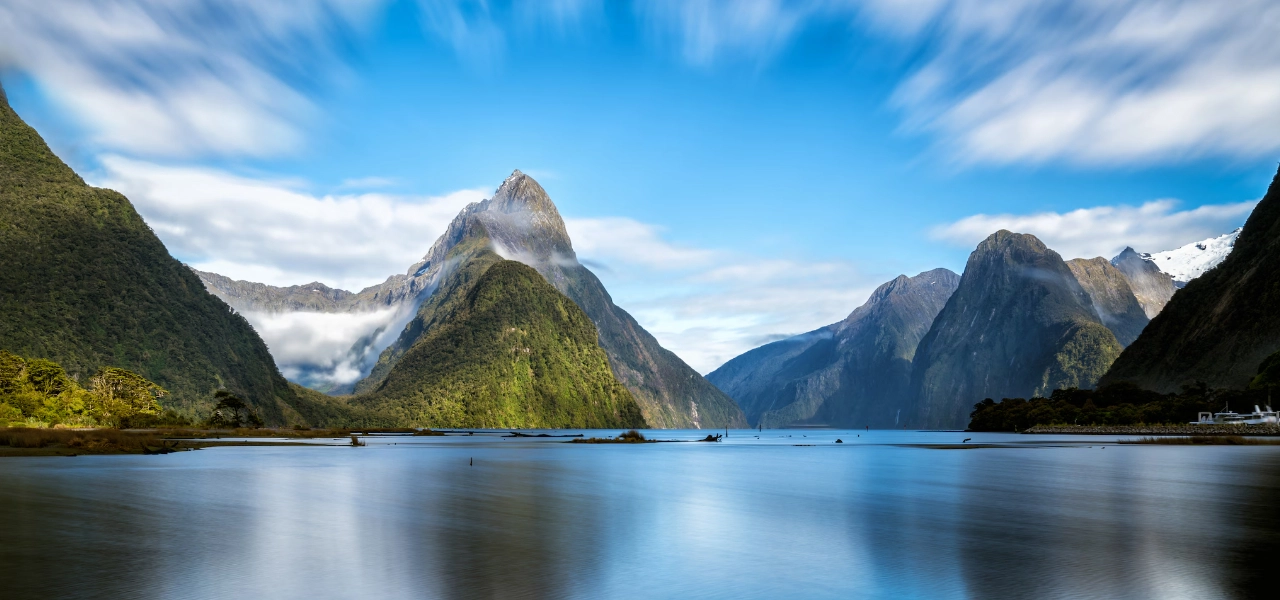
Kipling referred to the stunning beauty of New Zealand's Milford Sound as the eighth wonder of the world! It’s not hard to see why.
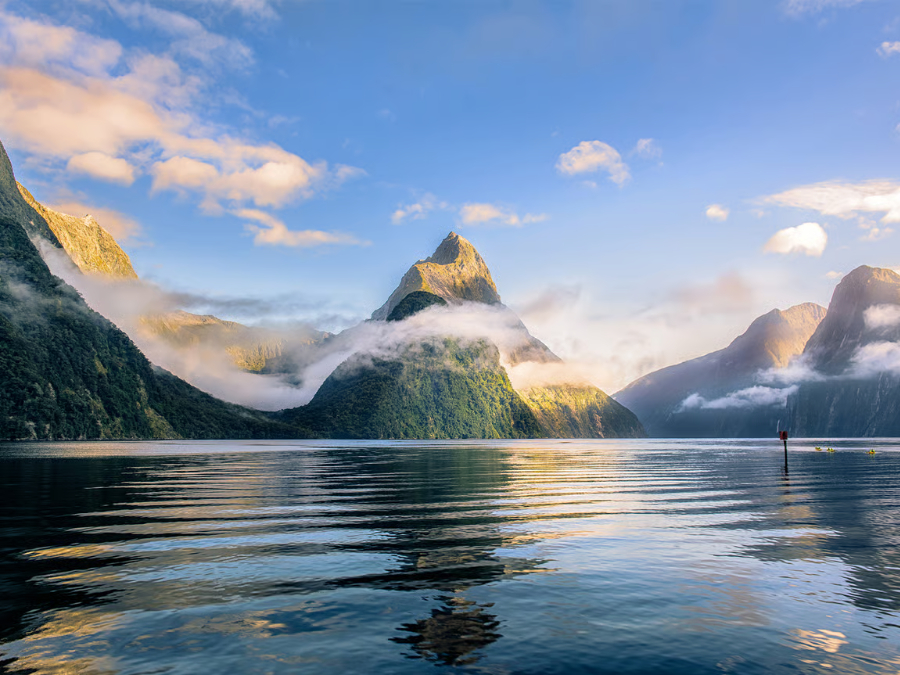
Towering mountain peaks are reflected in the waters of the lake, which, together with the sky, changes colors, creating a truly fairy-tale landscape. Huge waterfalls, steep rock seas, and lush rainforests stretch as far as the eye can see. However, Rudyard Kipling was not the first to be captivated by the sight of Milford Sound. The unique fjord was first discovered by a European, John Grono, in 1812, who named it Milford Haven after his Welsh homeland. A few years later, Captain John Lort Stokes also found the fjord and changed its name to Milford Sound.
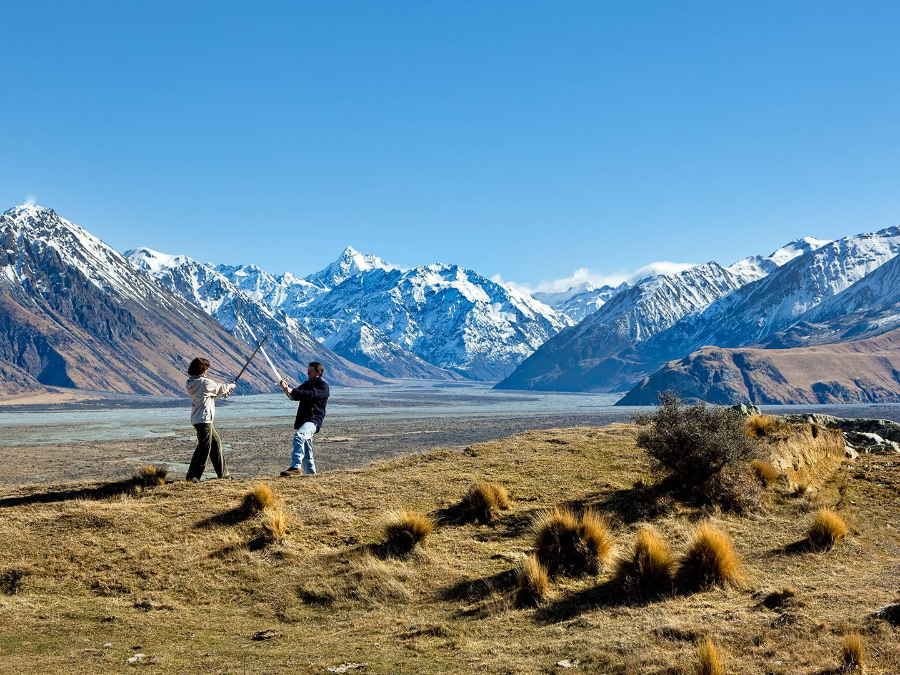
The otherworldly beauty of the landscape may also be familiar from the big screen, as this is where scenes set in Middle-earth from The Lord of the Rings trilogy were filmed. Looking at the images, it becomes clear why director Peter Jackson chose this location for the production.
Land of Ancient Legends
The area was allegedly first discovered by the Māori, who named it Piopiotahi, which means "solitary thrush". The word refers to a bird species called the Piopio, and an ancient story is linked to it. According to Māori legend, there once lived a mythical hero named Māui, whose faithful companion and friend was the piopio. One day, Māui lost his life while attempting to obtain immortality for humankind. The legend says that at this moment, the bird flew to the fjord to mourn, and in its sadness, it began to sing. Although the myth lives on, unfortunately, no specimens of the bird species exist today. After people discovered the island and introduced predators to the area, many unique bird species went extinct.
The Māori also had a creative story about the creation of Milford Sound. According to the legend, the fjord was carved from the mountains by the god Tu Te Raki Whanoa. The tale says that the god traveled along the shores, shaping the landscape with his mighty axe. By the time he reached Milford Sound, he had perfected his technique, making this fjord his most beautiful creation.
The Wonders of Nature
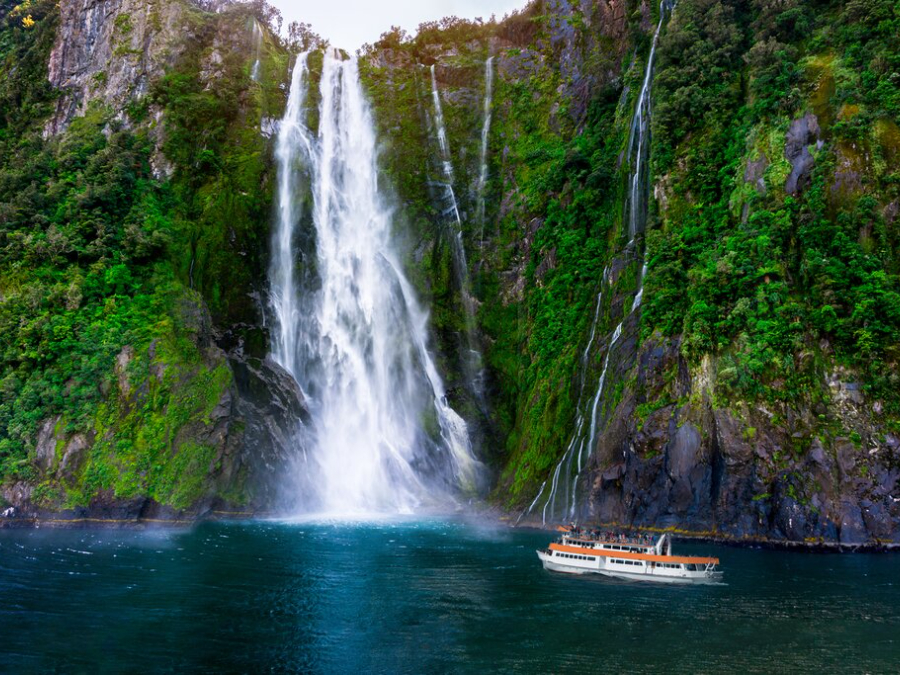
In reality, the fjord is located 15 kilometers from the Tasman Sea. Before seawater flooded the area, it was an ice-covered valley, with steep cliff faces over 1200 meters high, shaped by ice and glaciers. Among the most spectacular sights in Milford Sound are the two permanent waterfalls: the Stirling Falls, which plunges from 155 meters, and the Bowen Falls, which drops from about 162 meters. During heavy rainfalls, however, more than a hundred temporary waterfalls can be seen in the fjord, cascading down the rocks at incredible speed. It's not difficult for those who wish to view this extraordinary landscape in its full beauty, with waterfalls, as Milford Sound is one of the rainiest areas in the world.
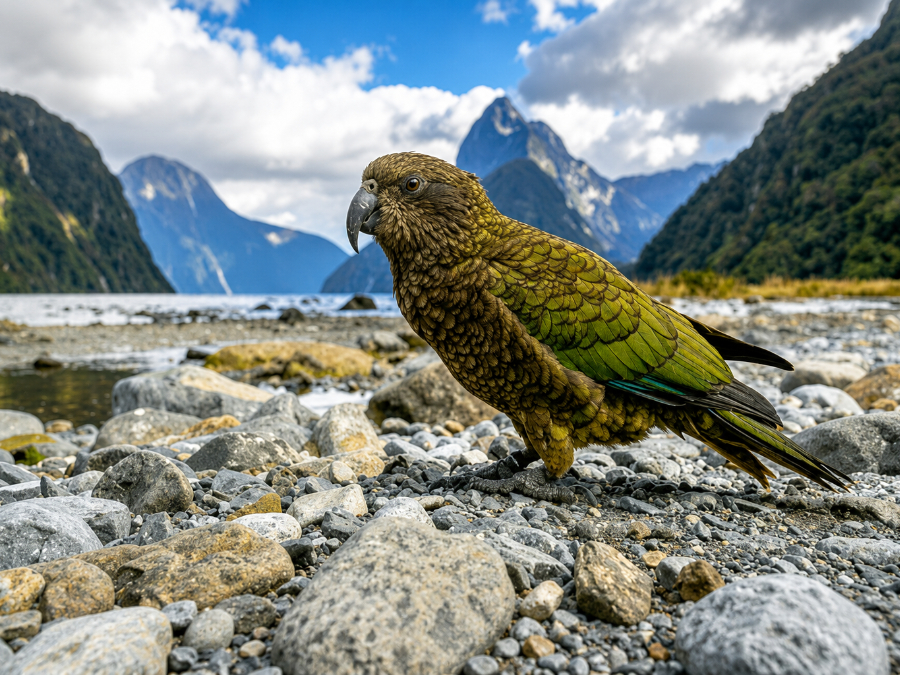
Although the fjord is now marked on maps, there are still relatively unexplored parts of it. The small town located here today has only 120 residents. Most of the locals either live off tourism or work to preserve the area's pristine nature. Milford Sound is home to numerous interesting animal species, including seals, penguins, sea lions, dolphins, and sometimes even whales. For those fortunate enough to visit, it is also worth exploring the Fiordland National Park, part of the UNESCO World Heritage site. In the park, visitors can discover many unique bird species, including the flightless takahe, once thought to be extinct, and the kea parrot.
However, Milford Sound is not only impressive on the surface. Thanks to its unique wildlife and a 690-hectare marine reserve, the fjord is extremely popular among divers. For those who don't want to dive into the icy waters, they can still enjoy the view through the Milford Discovery Centre & Underwater Observatory, which is located about 10 meters below the water's surface. This allows visitors to glimpse into this beautiful world without disturbing the nature or wildlife in any way.
According to the staff at the observatory, "Unlike an aquarium, the fish here can come and go freely wherever they wish." One of the most unique sights of the underwater world here is the black coral, which can only be seen in its natural environment in this area.
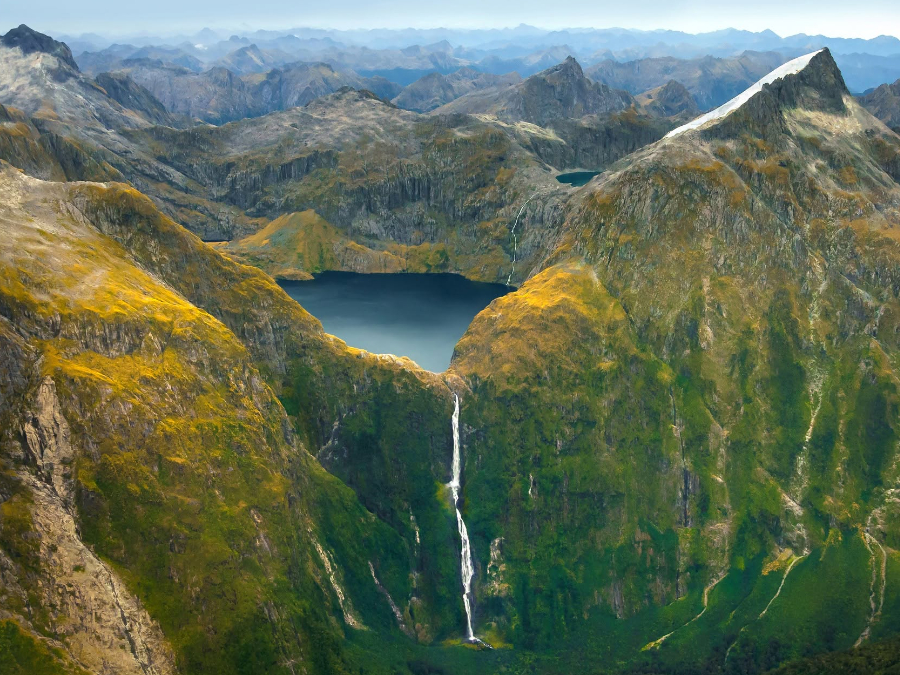
Not far from the fjord, there are countless breathtaking places – lakes, mountains, limestone caves, and of course, the stunning Sutherland Falls – waiting to be explored. The Sutherland Falls is one of the largest waterfalls in the world, with a drop of 580 meters. Currently, organizations such as the Fiordland Conservation Trust are working to preserve this magnificent region.
Luxury travel here takes on an entirely different meaning
One of the most spectacular ways to experience this remote corner of New Zealand is from the air. From Queenstown, helicopters cross the Southern Alps and the immense wilderness of Fiordland National Park, revealing alpine lakes, glaciers, waterfalls and mountain peaks that are almost impossible to appreciate from the ground. Some flights include a landing in Milford Sound as well as a remote alpine or glacier landing, turning the journey itself into one of the great experiences of the trip.
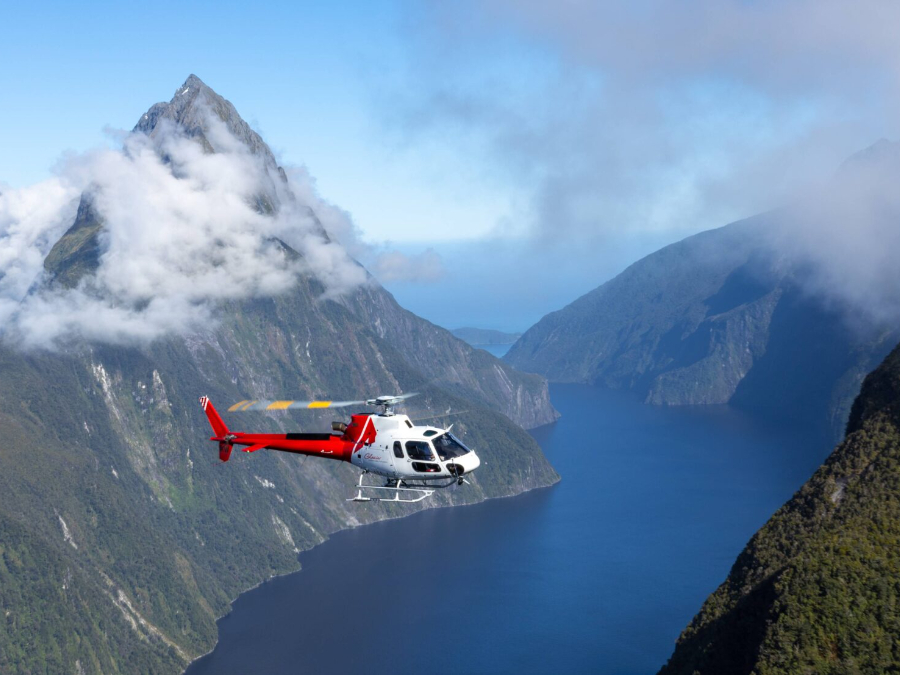
For travelers who prefer to combine adventure with a slower rhythm, Milford Sound can be discovered from several perspectives in a single day. Arrive along the legendary Milford Road, board a boat to cruise beneath the immense cliffs and waterfalls of the fjord, then exchange the water for the sky and fly back toward Queenstown. Seen from above, the landscape transforms once again: valleys become deep green corridors, rivers trace silver lines through the wilderness, and the scale of Fiordland suddenly becomes almost incomprehensible.
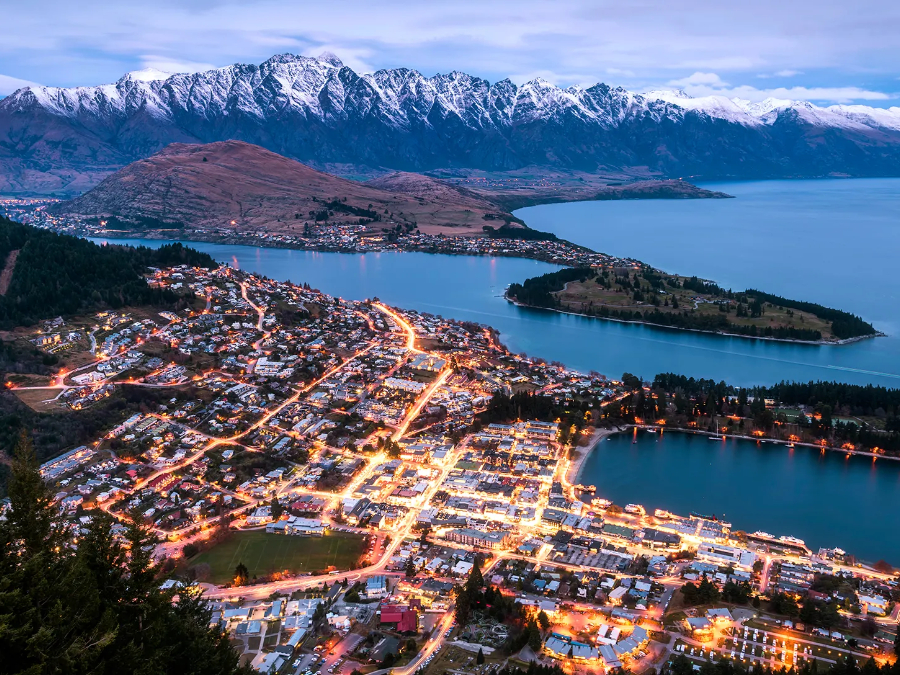
Those with more time should resist the temptation to make Milford Sound simply a day trip. Staying overnight reveals another side of the fjord, after many daytime visitors have departed and silence returns to the valley. Milford Sound Lodge, the only public accommodation provider at Milford Sound, offers luxury riverside chalets beneath the Darran Mountains, while overnight cruises provide the rare opportunity to spend the night directly on the water.
Adventure, meanwhile, is never far away. Kayaking brings travelers almost to water level beneath the towering cliffs; diving reveals the unusual underwater environment of the marine reserve; hiking opens a path into the forests and mountains surrounding the fjord; and scenic flights offer an entirely different perspective on this extraordinary landscape.
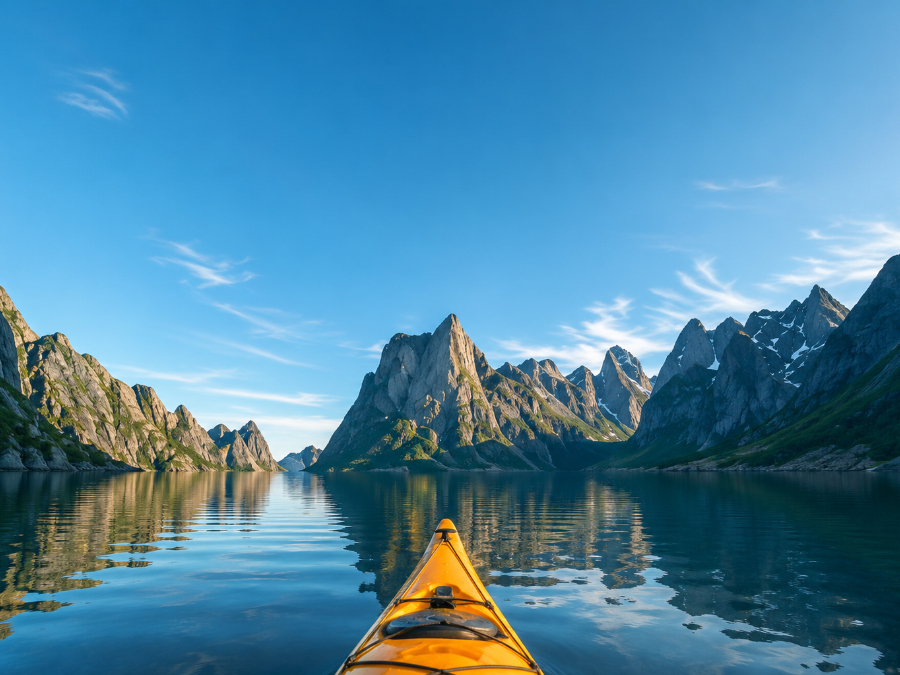
Perhaps this is the greatest luxury Milford Sound can offer. Not extravagance in the conventional sense, but the privilege of reaching somewhere remote, experiencing nature on an immense scale, and having enough time to appreciate it.
Here, adventure and luxury are not opposites. They are simply two different ways of getting closer to the wilderness.