The new Michelin Key selection has arrived at exactly the right moment. As winter approaches and we begin shaping our next travel calendar, the most interesting hotels are no longer competing solely on suites, spas and services, but instead they are competing for a reason to travel.
Planning winter travel comes with a particular complexity that a summer holiday rarely presents. Summer tends to be more straightforward: sea, sun and a table somewhere outside. Winter can be far more personal. One traveller might want to be the first on the tracks of an empty mountain; another might simply want a fireplace and a service rich spa with absolutely no obligation to ski; and someone else just wants to step off a plane, remove their shoes and watch, and forget about most of their schedule for a week.
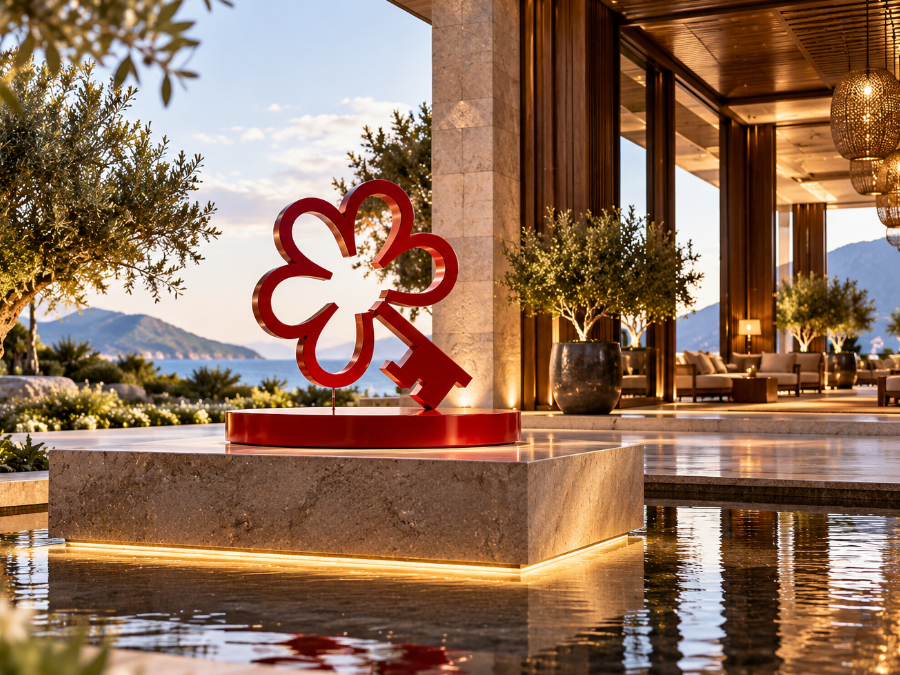
The timing of the newly released The 2026 Michelin Key Hotels selection therefore feels particularly right. This year, rather than treating it as another global hotel ranking, we interpreted it as a map for winter travel.
Michelin Keys that matter now
Michelin’s 2026 global Key selection is considerably larger than its previous years. Following months of anonymous inspections, 470 hotels have newly received Keys across 79 destinations, bringing the total to 2,832: 2,020 One-Key hotels, 657 with Two Keys and just 155 with Three. Eighteen properties enter or move into the Three-Key category this year, while 84 hotels have been promoted.
Those numbers establish the scale of the selection. What makes it particularly useful, however, is its increasingly interesting geography. Ten destinations receive Michelin Keys for the first time in 2026, including Botswana, Rwanda, Mongolia, Armenia, Kazakhstan, Liechtenstein and Slovakia. Europe now has 1,338 Key hotels across more than 35 destinations, while Asia and the Middle East account for 600. Africa has expanded to 113, with Michelin specifically highlighting the strength of this year’s African and Oceanian additions.
For anyone accustomed to traditional luxury hotel lists, that geographic expansion matters. It draws attention away from the familiar destinations of Paris–London–Capri–St. Barths and towards hotels capable of changing the shape of an itinerary altogether.
It also coincides with a shift in what sophisticated travellers expect from expensive hotels. Michelin’s inspectors showcase slower journeys, longer stays in fewer places, privacy, outdoor experiences, residential-style hospitality and a stronger connection to the destination among the defining trends. Wellness is moving beyond treatment rooms, while design is increasingly expected to express a genuine sense of place rather than to simply provide a picturesque scene to photograph.
That feels particularly relevant in winter, as the old model was relatively straightforward: either ski hotels or beach resorts. Today, the possibilities are more nuanced. A week in the Dolomites can revolve as much around architecture, food and recovery as skiing. The Maldives can offer almost complete isolation rather than resort entertainment. Rwanda can become a winter escape without a beach anywhere in sight.
Michelin’s distinction is also worth understanding properly. One Key denotes a very special stay; Two Keys, an exceptional one; and Three Keys, a particularly extraordinary stay. Inspectors assess the overall experience anonymously and independently rather than simply auditing a hotel’s facilities.
For Salt&Kisses, however, the number of Keys is only the beginning of the conversation. A Three-Key hotel can be extraordinary and still be wrong for your holiday. A One-Key mountain lodge in precisely the right valley may deliver a far better week. That distinction becomes increasingly important when looking at where to travel this winter.
The new names changing the luxury destination landscape
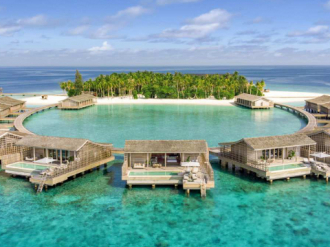
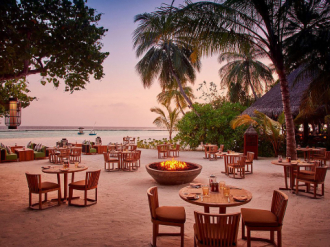
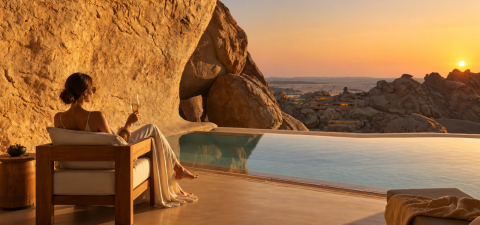
The headline arrival for warm-weather winter travellers is Soneva Secret, the only new Three-Key hotel in Asia this year. Few destinations have developed luxury as intensively as the Maldives, and at the highest levels, beautiful overwater villas and private pools are practically the price of admission. What makes Soneva Secret interesting is its decision to move in the opposite direction: it offers less resort, rather than more.
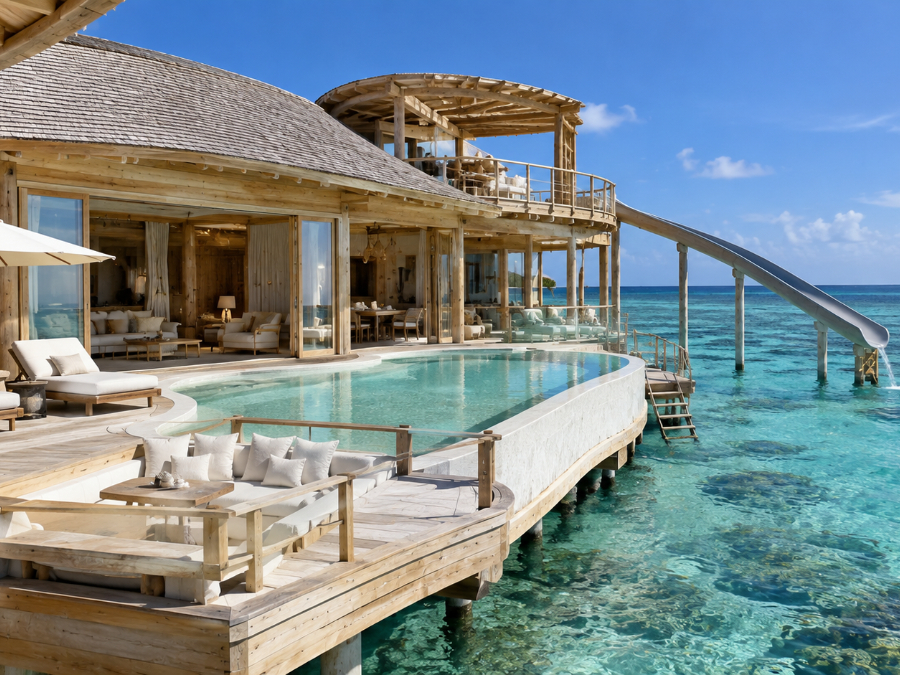
With just 13 villas, there is an extraordinary degree of separation. This is not really a hotel for travellers seeking a lively bar at sunset or a long list of restaurants to work through. It is the Maldives for someone who has already experienced excellent Maldivian resorts and now wants the rarest amenity of all: an intimate experience with hardly anyone around.
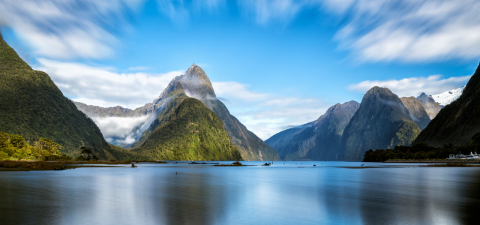
There is a similar clarity of purpose at Southern Ocean Lodge on Kangaroo Island, promoted from Two to Three Keys for 2026. It belongs to a category we increasingly value: hotels that perfectly make use of their location. Michelin’s Oceanian selection also promoted Rosewood Matakauri in Queenstown from One to Two Keys, making New Zealand particularly interesting for Europeans prepared to reverse the seasons and turn their winter holiday into a Southern Hemisphere summer.
Africa offers another compelling route for travellers who wish to escape the European cold. Delaire Graff Estate in Stellenbosch becomes the continent’s newest Three-Key hotel. It presents a completely different interpretation of a winter escape: a South African summer, vineyards, art, long lunches and the quintessential Cape landscape in place of the conventional beach-and-pool migration.
Further north, Rwanda received Keys for the first time. One&Only Gorilla’s Nest, close to the Virunga Mountains, gives the idea of a winter escape an entirely different dimension: rainforests instead of beaches, trekking instead of sunbathing, and one of the most genuinely extraordinary wildlife encounters at the heart of the journey.
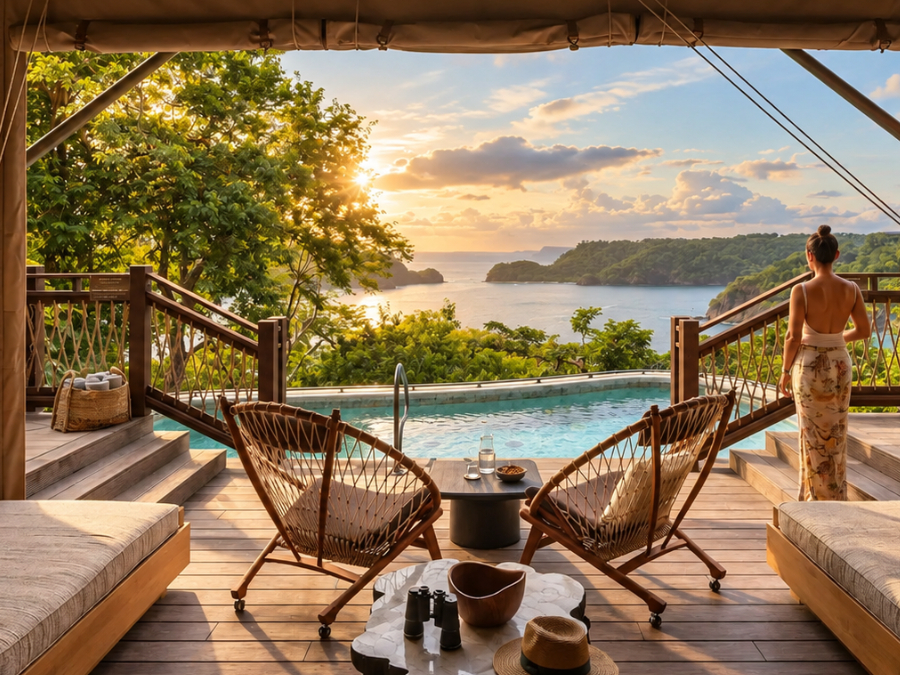
Then there is Nekajui, a Ritz-Carlton Reserve in Costa Rica, promoted from Two to Three Keys and the only new Three-Key hotel in the Americas this year. For travellers seeking a tropical winter without automatically returning to the Caribbean or Maldives, Costa Rica’s combination of Pacific coasts, rainforests and active relaxation creates a persuasive alternative.
And one of the most intriguing names is not a Three-Key property at all.
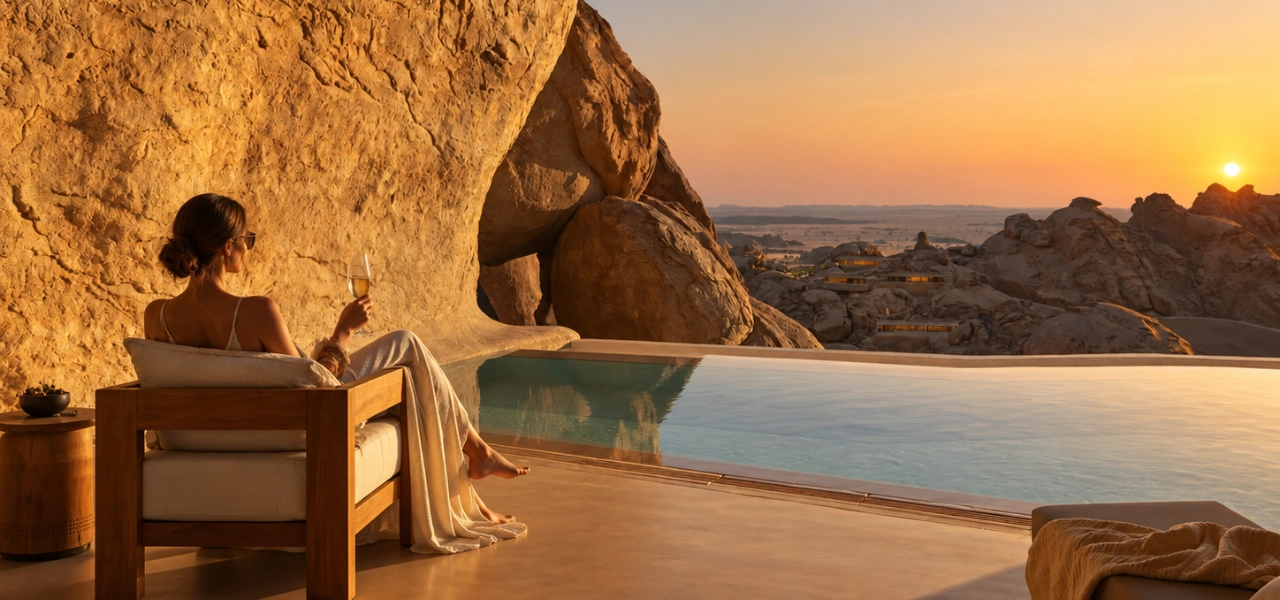
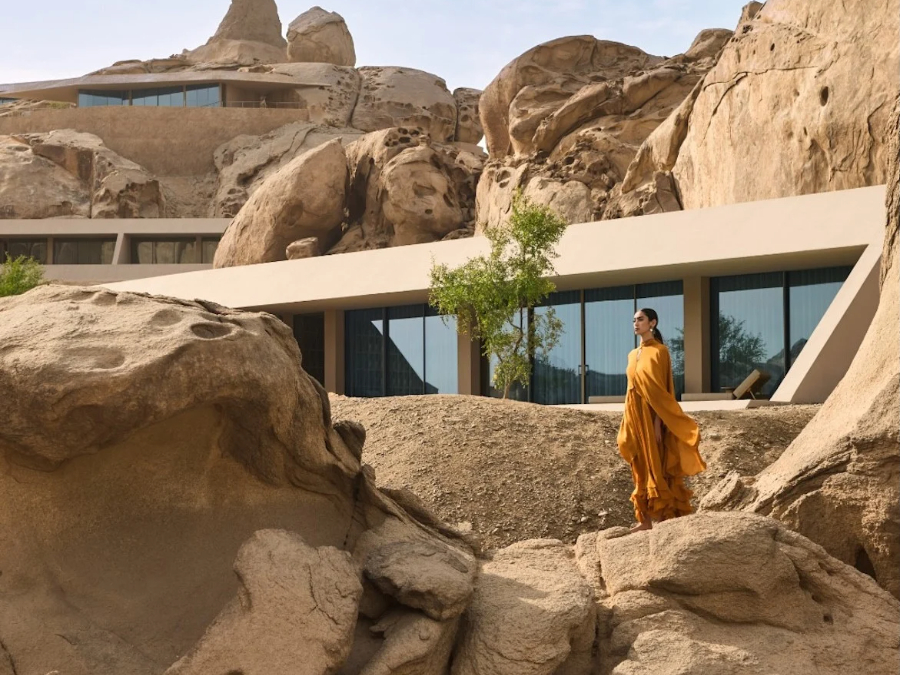
Desert Rock Resort in Umluj, Saudi Arabia, receives Michelin’s 2026 Architecture & Design Award. Rather than simply facing a dramatic landscape, the resort is integrated into the Hijaz Mountains themselves. The Desert Rock Resort sits alongside other remarkable destinations which recieved awards.
Germany’s Schloss Elmau, winner of the Wellness Award, the newly opened Airelles Palladio Venice, named Opening of the Year, and South Africa’s Londolozi Game Reserve, winner of the Local Gateway Award.
Together, these properties reveal something interesting about the changing direction of luxury hospitality. An exceptional hotel can no longer rely on the property alone. The finest new hotels are increasingly judged by the experiences they offer, moving beyond the room.
The Salt&Kisses Winter List: snow, sun and somewhere in between
For our definitive high-glamour ski week, we would still look towards Courchevel 1850. There are fashionable ski resorts, and then there is Courchevel. The Michelin selection currently includes three Three-Key properties around Courchevel 1850, alongside three Two-Key and ten One-Key hotels. At the top, Cheval Blanc Courchevel and Le K2 Palace carry Three Keys, while L’Apogée Courchevel and Aman Le Mélézin sit in the Two-Key category. Michelin rather aptly describes 1850 as the Alps’ see-and-be-seen address, complete with the sort of luxury shopping one might normally associate with Avenue Montaigne.
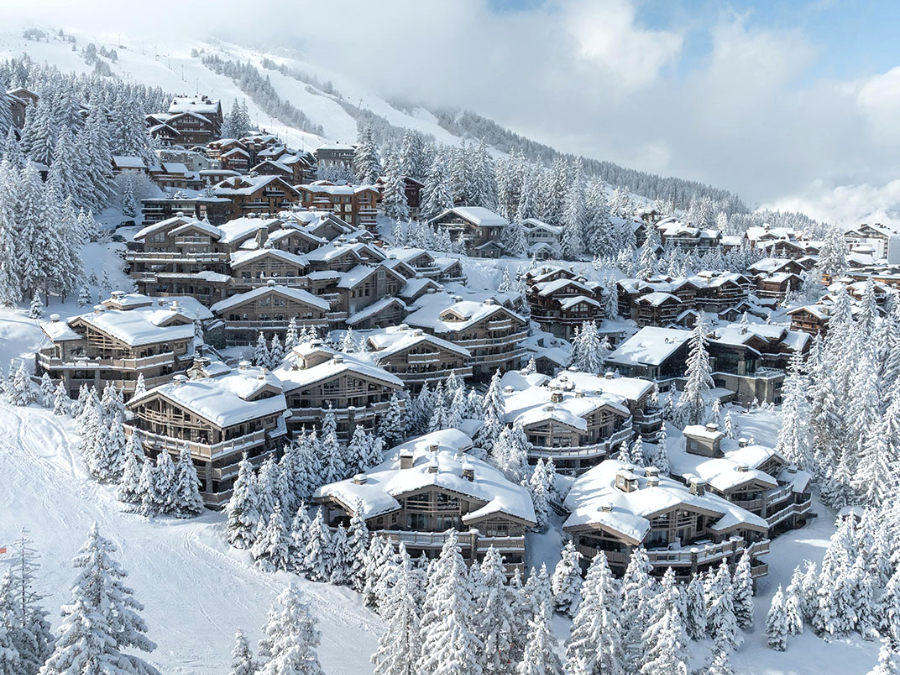
Salt&Kisses insight – choose Courchevel when your holiday solely revolves around skiing. It particularly excels in it's services around skiing: lunch, spa, shopping, dinner, people-watching and that peculiar pleasure of returning from a freezing mountain to an exceptionally well-run hotel. For pure mountain solitude, look elsewhere. For a beautifully choreographed winter social season, few places compete.
For something quieter and more elemental, our choice would be Forestis in the Dolomites. The Two-Key retreat sits amid one of Europe’s most dramatic mountain landscapes, and Michelin singles it out as the luxury choice for an immersive Dolomites stay. The appeal here is quite different from Courchevel. The Dolomites offer a winter experience through it's landscape: pale rock towers, forests, snow and the extraordinary enrosadira glow that turns the mountains pink towards sunset.
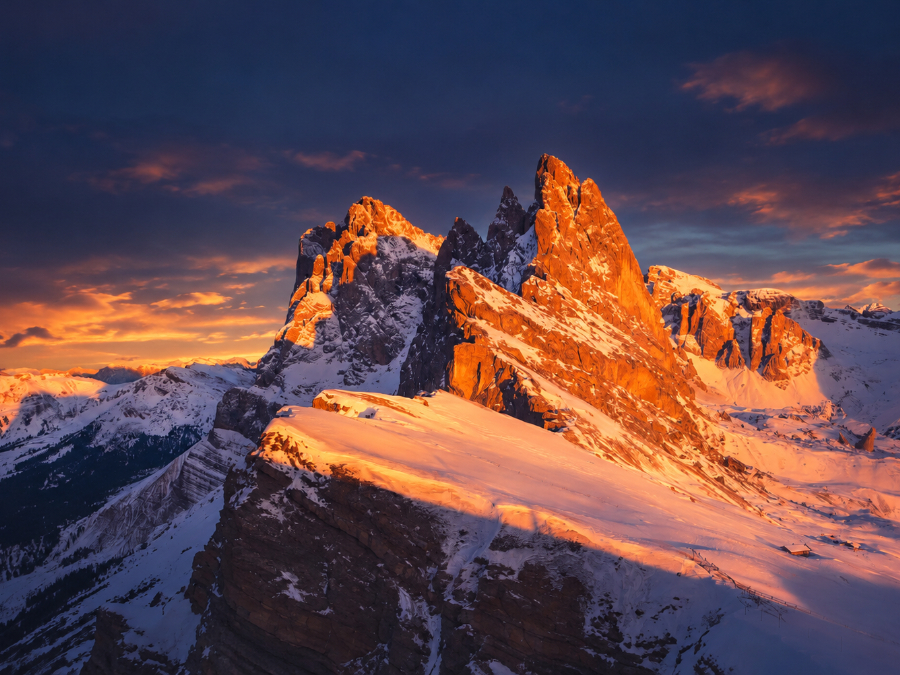
Salt&Kisses insight – this is the mountain escape for the traveller who wants to ski without needing the entire holiday to revolve around it. Deliberately leave an afternoon empty. Go on a walk, relax in the spa, take an afternoon off to just read, and watch the beautiful mountains change colour. A great Alpine hotel should make staying indoors feel every bit as legitimate as taking another lift.
The Dolomites are also home to COMO Alpina Dolomites, a One-Key hotel within the UNESCO World Heritage landscape, combining outdoor access with a substantial spa and contemporary Alpine rooms with balconies and terraces. For travellers looking for a less theatrical interpretation of five-star winter, it is a sophisticated alternative.
For snow with a completely different cultural rhythm, however, we would fly east. Niseko remains one of the world’s great winter destinations, and Sansui Niseko holds One Michelin Key. The appeal of a Japanese ski trip goes well beyond snow quality. It is a combination Europe cannot quite reproduce: light snowfall in the mornings, Japanese food, onsen culture and the particular pleasure of moving between extreme cold outdoors and almost meditative warmth inside.
Salt&Kisses insight – if the Alps are already familiar territory, make Japan your next serious ski journey rather than simply upgrading to a more expensive Alpine hotel. Changing the culture surrounding the skiing resort can transform a holiday far more profoundly than adding another star to the accommodation.
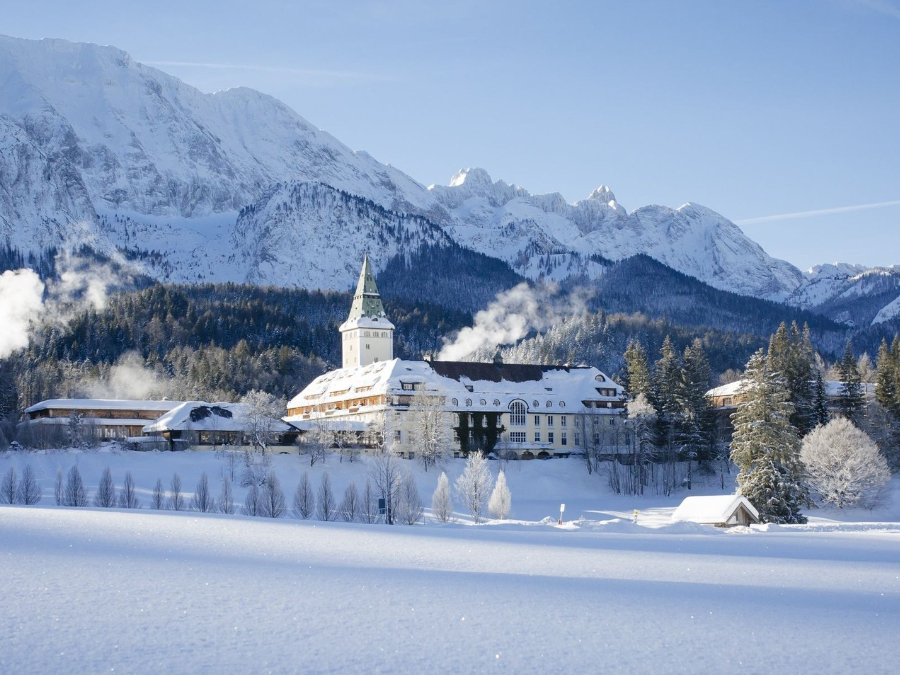
For winter without skis but with snow, our attention turns to Schloss Elmau in Bavaria. Michelin gave it the 2026 Wellness Award for the depth and range of its approach to wellbeing. This is precisely the kind of cold-weather hotel we like: where winter is enjoyed rather than escaped. Snow outside, warmth inside, long spa hours, mountain air and no requirement to spend six hours a day in ski boots.
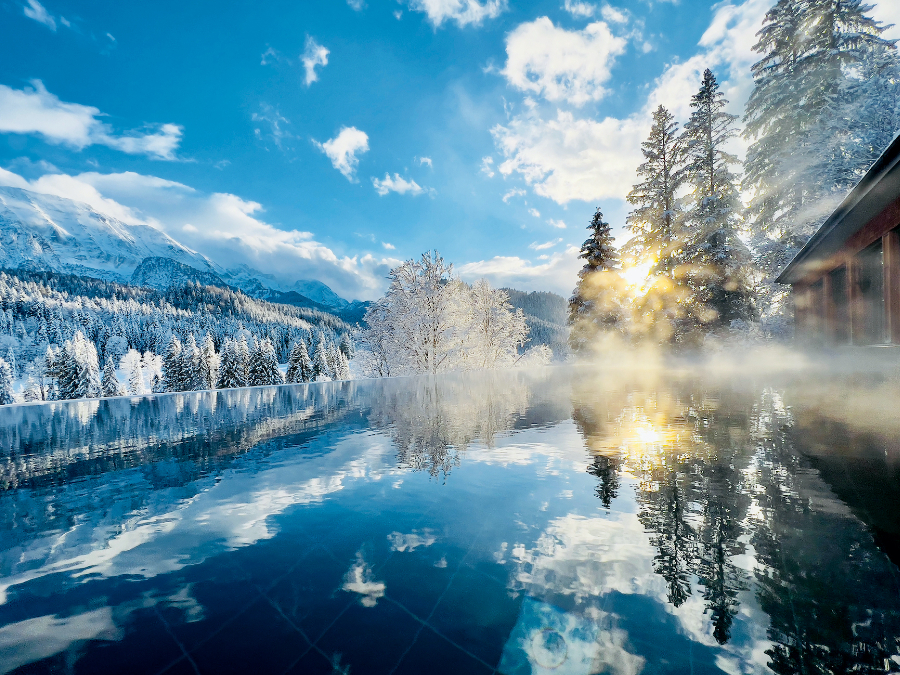
For the great warm-weather disappearing act, Soneva Secret is our first choice. The Maldives itself may not be remarkable, but privacy on this scale increasingly is. We would come here after Christmas and New Year rather than during the festive peak, stay longer than instinct initially suggests, and resist the temptation to fill every day with activities.
Salt&Kisses insight – at this level, don’t book the Maldives by comparing villa square metres. Compare density. How many villas are there? How much boat traffic? How close is the next island? How often will you encounter other guests? Once accommodation reaches a certain standard, these questions tell you far more about the actual luxury and quality of the stay.
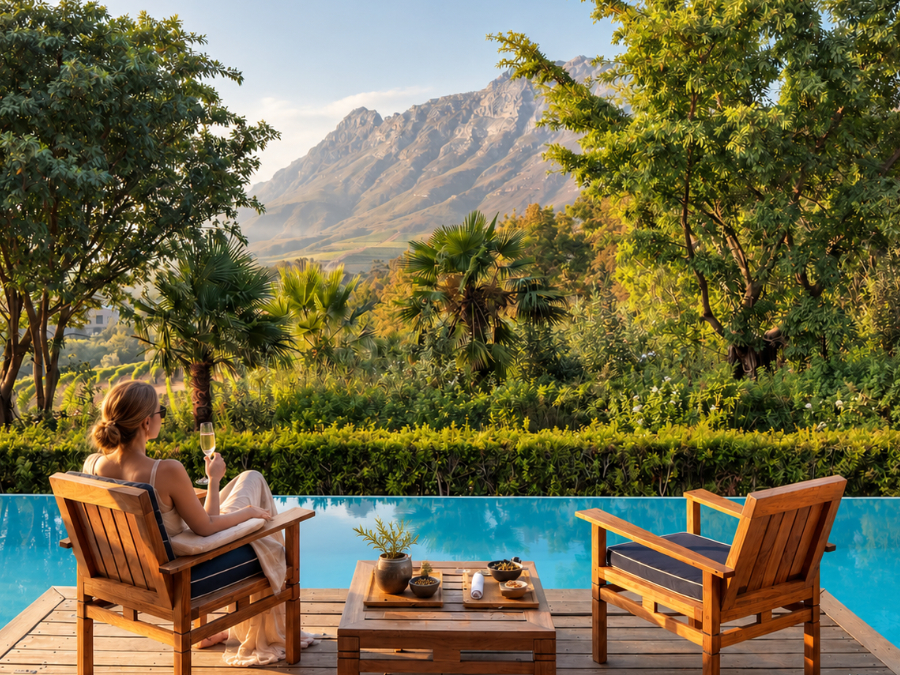
For sun with substance, choose South Africa. Pairing Cape Town with Delaire Graff Estate makes an exceptionally convincing January or February journey: city first, Winelands second, with the South African summer replacing Europe’s greyest months. Delaire’s new Three-Key status only strengthens the argument.
Salt&Kisses insight – do not treat Stellenbosch as a two-night wine excursion. Four nights changes the rhythm completely. Once there is time for an afternoon with nowhere to be, the Winelands begin to feel like a more personal destination rather than an item on an itinerary.
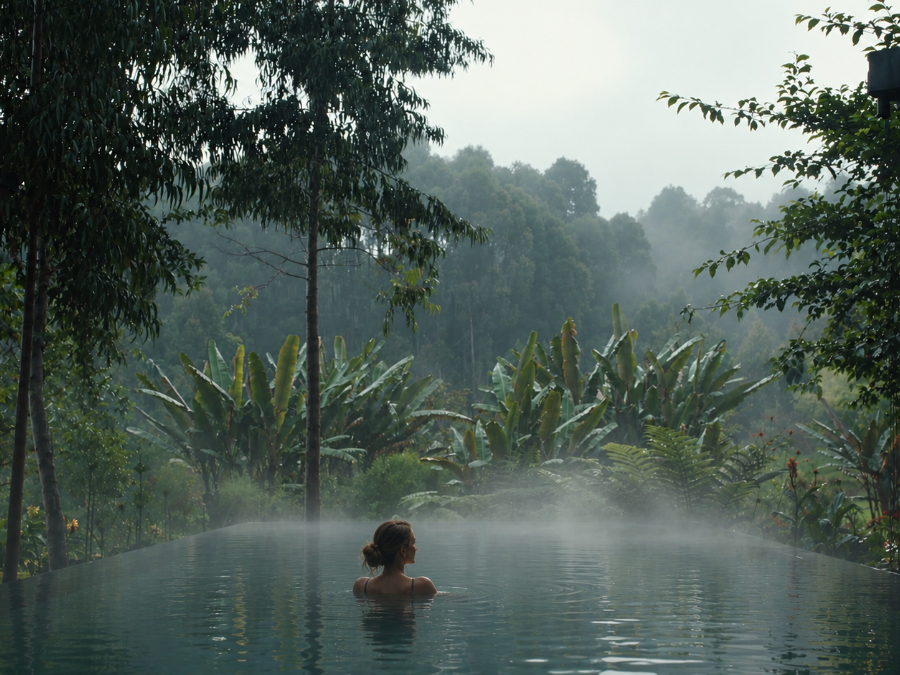
For warm weather with adventure, we would put Nekajui in Costa Rica high on the list. This is the choice for someone who knows that seven days of lounging around will become tedious by day three. The new Three-Key status is significant, but the larger attraction lies in the combination: tropical warmth in a destination that actively encourages you to leave the resort.
And for the winter journey that becomes a story, Rwanda may be the most compelling newcomer of all. One&Only Gorilla’s Nest is not the obvious answer to “Where shall we go to escape winter?”, which is precisely why we like it. Pairing a sophisticated lodge with the Virunga landscape and gorilla trekking has all the ingredients of a journey remembered in years rather than seasons. Rwanda’s first appearance on the Michelin Key map also makes 2026 an interesting moment to look at the country afresh.
There is one final option we would not overlook, which is to embrace the winter season, rather than escaping it. The new Michelin selection reinforces just how good cold weather can be when a hotel is designed around it. Take the fireplace over the beach club. Snowshoe instead of swim. Spend three hours in a spa without feeling guilty. Eat lunch as darkness falls outside. The very things we spend February trying to escape can become luxuries when experienced somewhere beautiful. That is perhaps our strongest takeaway from the 2026 Michelin Keys.
The best winter holiday no longer has to mean choosing between skiing and sun. It can mean skiing in Niseko, a silent Bavarian spa, gorillas in Rwanda, South African vineyards, the Saudi desert, New Zealand wilderness or thirteen villas scattered across a Maldivian island.
For pure snow glamour, Courchevel. For mountain stillness, Forestis. For snow and culture, Niseko. For restorative winter, Schloss Elmau. For almost total tropical privacy, Soneva Secret. For wine and summer light, Delaire Graff Estate. For tropical adventure, Nekajui. And for the journey we suspect you will still be talking about ten years later, Rwanda.
The point is not to collect Michelin Keys. It is to use them to find the kind of winter you actually want.